

Modern production requires functions that supply solid, sturdy, and effectively developed plastic parts for different industries. Among these practices, Plastics Rotomolding has become an effective solution for making top quality hollow plastic items with regular results. This production process offers flexibility in design, price performance, and exceptional product distribution, which makes it suited to developing a wide range of industrial and professional components.
Knowledge the Rotomolding Process
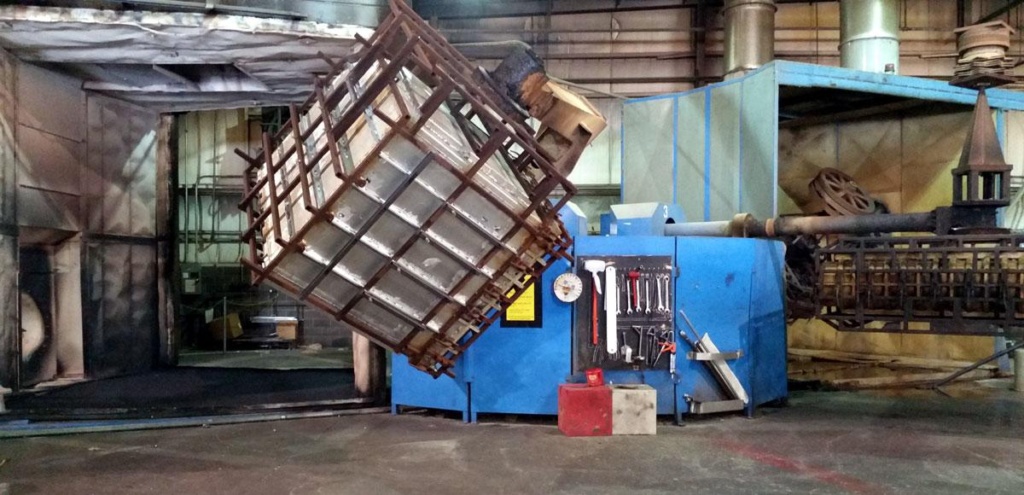
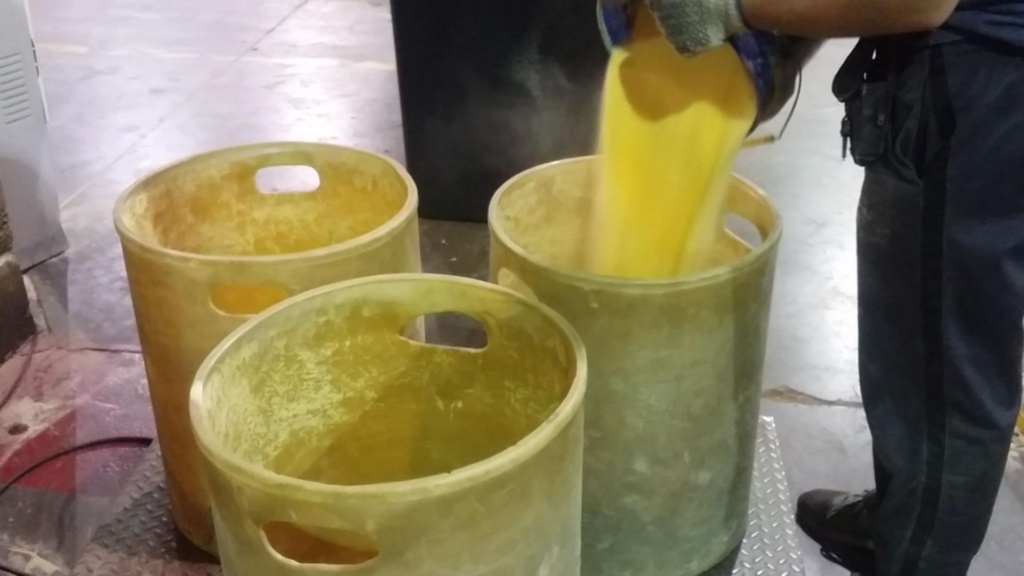
Rotational molding is a production strategy that employs temperature and rotation to create plastic products. Throughout the method, powdered plastic-type material is placed in the shape, which is then heated while turning gradually along numerous axes.
As the mold rotates, the plastic material touches and spreads equally across the internal surface. That generates a standard wall depth and a solid completed product. After chilling, the molded element is taken from the mold and organized for further use.
The method enables suppliers to create complex shapes without requesting high-pressure gear, making it an effective generation method.
Advantages of Rotational Molding
One of the significant advantages of rotational molding is their power to create tough plastic components with excellent structural strength. The even distribution of substance assists build products and services that could withstand normal use, influence, and environmental conditions.
The method also gives style flexibility. Makers can create large, worthless, or individually designed components while maintaining regular quality. That makes rotational molding suitable for products and services that want unique sizes and personalized features.
Yet another benefit is paid off product waste. The managed molding method employs only the mandatory number of plastic material, helping increase creation efficiency.
Design Flexibility and Custom Alternatives
Rotational molding supports a wide variety of item designs. Companies may incorporate various styles, designs, and floor finishes in accordance with unique requirements.
The ability to create seamless hollow elements is particularly important for purposes where strength and toughness are important. Complicated models can be developed without the need for numerous construction measures, reducing production time and increasing reliability.
Customization possibilities allow companies to generate components that fit their functional and aesthetic needs.
Purposes of Rotomolded Parts
Rotationally molded services and products are used across several industries due to their longevity and versatility. They is found in storage options, commercial bins, transportation components, defensive gear, and different particular applications.
The power and light character of created plastic components make them of good use in settings where performance and reliability are essential.
The production approach continues to grow as industries look for successful methods to create long-lasting plastic products.
Quality and Production Efficiency
Quality get a grip on is an essential the main rotational molding process. Cautious tracking of heat, turn speed, and material distribution assists ensure consistent product performance.
The procedure helps successful creation while sustaining large requirements for longevity and accuracy. Producers can create reliable components that match certain demands without unnecessary complexity.
The combination of performance and quality makes rotational molding a preferred choice for many plastic production needs.
Potential of Rotational Production
As industries continue to demand light, resilient, and cost-effective answers, rotational molding remains a significant manufacturing technology. Improvements in components, style practices, and production techniques carry on to enhance the features with this process.
The capacity to create solid and tailored plastic components assures that rotational molding can remain valuable for potential production applications.
Realization
Rotational molding gives a successful approach to making resilient and precision-designed plastic components. With benefits such as for example style mobility, product effectiveness, and powerful item performance, the procedure helps a wide range of manufacturing requirements. By mixing progressive methods with careful quality control, rotational molding continues to provide trusted answers for industries seeking realistic and long-lasting plastic products.