

Sports broadcasting created its empire on exclusivity. For many years, seeing a live sport meant subscribing to the right Cable package, paying the best regular charge, and sitting in front of the proper television at the best time. That design experienced a for generations. It is today unwinding at a speed that few industry insiders predicted.
Platforms that prioritize accessibility over gatekeeping—including solutions like buffstreams app —are pulling readers that traditional broadcasters are struggling to retain. Understanding why involves a deeper look at both figures and the motivations driving that shift.
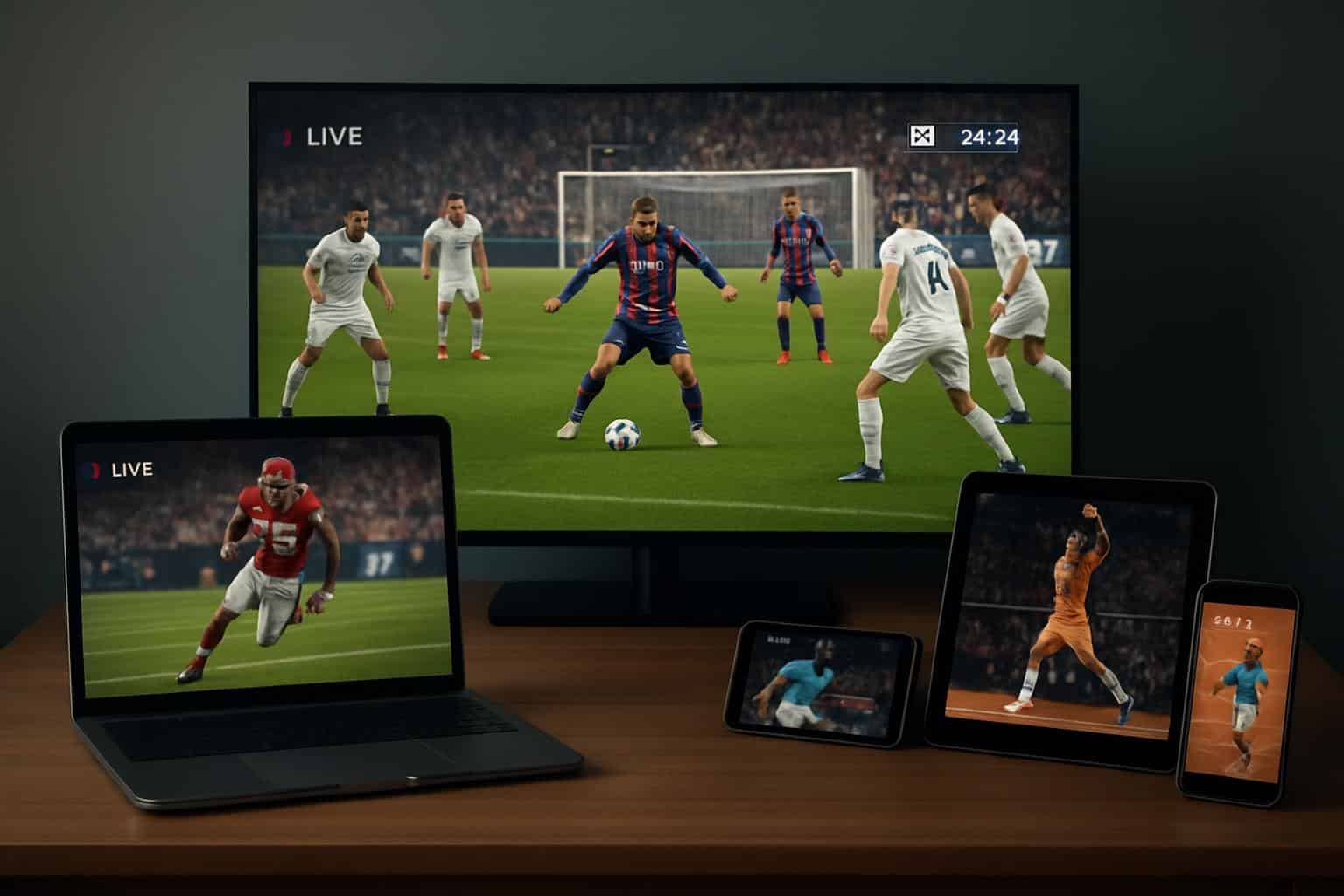
How Many People Have Cut the Cord—and Why?
The cord-cutting tendency is no further a niche behavior. In accordance with Leichtman Study Group, approximately 25% of U.S. people no longer subscribe to a conventional pay-TV support as of 2023—up from just 9% in 2015. That shows tens of countless homes that have intentionally walked far from main-stream Sports broadcasting.
Charge is probably the most often offered reason. The common monthly pay-TV statement in the United States reached $217 in 2023, according to Customer Reports—a 79% increase over the past decade. Sports deals, frequently bundled in to higher-tier plans, certainly are a primary contributor to that particular inflation.
What Sports Rights Deals Disclose Concerning the Market
The economics of Sports transmission rights offer still another contact whereby to comprehend the loading transition. Rights expenses for significant Sports leagues have escalated significantly recently, with broadcasters paying report sums to protected unique usage of common events.
These charges are fundamentally offered to subscribers. When supporters cannot—or will not—digest these expenses, they find alternatives. Free and available loading programs fill that difference, getting audiences that rights-holders couldn't usually reach.
The Role of International Internet Infrastructure in Streaming Growth
Use of reliable broadband web may be the simple largest infrastructure factor surrounding Sports streaming adoption. The International Telecommunication Union reported that worldwide net individual transmission reached 66% in 2023, up from 48% in 2015. In similar, normal worldwide net speeds have increased by more than 40% around the exact same period, in accordance with Ookla's Speedtest Global Index.
Quicker, greater access to the internet means that supreme quality live video streaming is no more reasonably limited knowledge reserved for developed markets. It is significantly the default for fans across Southeast Asia, Latin America, and sub-Saharan Africa—regions wherever Cable infrastructure remains restricted but smartphone usage is accelerating rapidly.

How Supporter Respect Links to Software Convenience
Research from Deloitte's 2023 Electronic Media Traits Record unearthed that Sports supporters who stream live events are 35% prone to follow a common team's social media records, buy team product, and attend activities in person compared to fans who view solely via old-fashioned television.
Convenience, the info implies, doesn't dilute engagement. It increases it. When fans may watch games without friction, their connection to clubs, leagues, and Sports lifestyle deepens—a locating that has significant implications for how a prices free loading platforms.
Where Sports Broadcasting Moves from Here
The transmitted design built around scarcity and exclusivity is providing way to 1 built around accessibility and convenience. The supporters driving this change are not passive—they are definitely seeking programs that respect their time and economic constraints.
Free Sports streaming services have located themselves at the center of this change, and the statistics claim that place is only going to improve as worldwide connection remains to improve.